
The Challenge
Medication non-adherence is one of the most persistent and expensive challenges in modern healthcare. Studies estimate that nearly 50% of patients with chronic conditions fail to take their medications as prescribed — leading to preventable hospital readmissions, disease progression, and billions in avoidable healthcare spending each year.
Our client, a regional healthcare network spanning 12 hospitals and over 200 affiliated clinics, was confronting this challenge head-on. Their patient population — heavily skewed toward chronic conditions such as diabetes, hypertension, and cardiovascular disease — showed consistently poor medication adherence rates, hovering around 45–55%. The consequences were tangible: a 22% readmission rate within 30 days of discharge, rising care costs, and declining patient satisfaction scores.
The existing approach relied on periodic nurse follow-up calls and paper-based medication schedules — a system that was neither scalable nor effective. Nursing staff spent an estimated 1,200 hours per month on follow-up calls, with response rates below 30%. Patients, particularly the elderly, often forgot doses, confused medication schedules, or stopped taking prescriptions once they felt better — with no mechanism to detect these lapses until the next clinical encounter.
The healthcare network needed a solution that could intervene proactively and in real-time, rather than reactively discovering non-adherence weeks later during a follow-up appointment.
Our Solution
AdaptNXT designed and deployed an end-to-end IoT and AI-powered medication adherence platform that bridges the gap between prescription and compliance:
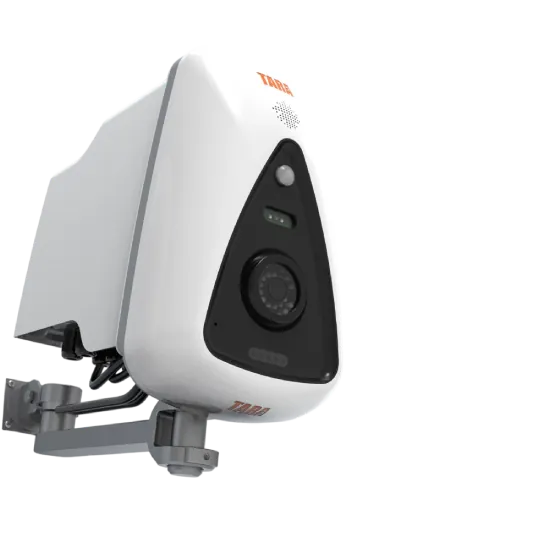
- Smart Pill Dispensers with IoT Sensors: Deployed connected, multi-compartment pill dispensers in patient homes. Each compartment is fitted with weight sensors and open/close detectors that transmit real-time dispensing events via a low-power cellular (LTE-M) connection — ensuring connectivity even in areas with limited Wi-Fi.
- AI-Powered Reminder Engine: Built a personalised reminder engine using reinforcement learning that adapts reminder timing, channel (SMS, WhatsApp, push notification, or automated voice call), and frequency based on each patient's historical response patterns. The system learns which combination of nudges is most effective per patient.
- Real-Time Adherence Dashboard: Developed a care team dashboard hosted on AWS (ECS + RDS) that visualises patient-level and population-level adherence metrics in real-time. Nurses and care coordinators can instantly see which patients have missed doses, identify emerging patterns, and prioritise outreach.
- Predictive Non-Adherence Model: Trained gradient-boosted ML models on 18 months of historical dispensing data combined with clinical variables (diagnosis, polypharmacy burden, socioeconomic indicators) to predict patients at high risk of non-adherence 7–14 days in advance — enabling pre-emptive intervention.
- Caregiver & Family Notification System: Implemented an opt-in notification layer that alerts designated family members or caregivers when a patient misses two consecutive doses — creating a support safety net especially valuable for elderly or cognitively impaired patients.
- EHR Integration via HL7 FHIR: Integrated the platform with the client's existing Electronic Health Record (EHR) system using HL7 FHIR APIs, ensuring medication schedules update automatically when prescriptions change and adherence data flows back into the patient record for clinician review.
- Phased Rollout with Clinical Validation: Ran a 90-day controlled pilot across 3 hospitals and 500 patients before full-scale deployment, with A/B testing against the existing follow-up call model to validate efficacy and refine the AI models.
The Impact
The results from the first six months of full deployment demonstrated a measurable and significant improvement across every key metric the healthcare network was tracking:
- 35% improvement in medication adherence rates across the enrolled patient population, moving the average from ~50% to ~67.5% — with some chronic-condition cohorts reaching 78%.
- 28% reduction in 30-day hospital readmissions among adherent patients, translating to an estimated $1.8M in avoided readmission costs over the first year.
- 1,200+ nursing hours per month reallocated away from manual follow-up calls to higher-value patient care activities, as the AI-driven reminder system automated the majority of routine outreach.
- 92% patient satisfaction score among enrolled users, with patients citing the non-intrusive, personalised nature of reminders as the primary factor.