
The rise of generative AI represents one of the most significant technological shifts in modern enterprise history. From automating routine communications to generating complex code, these systems are reshaping how businesses operate at every level.
What Makes Generative AI Different
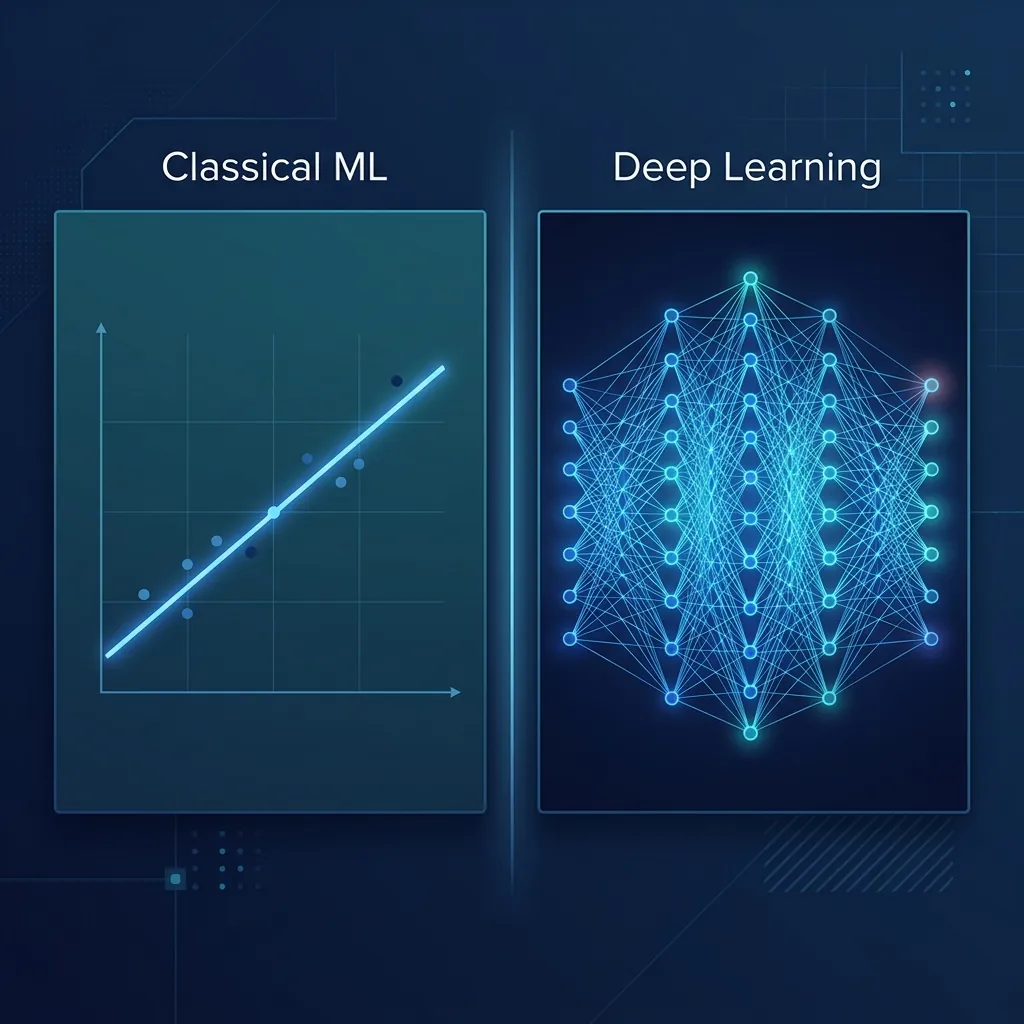
Unlike traditional AI models that classify or predict based on existing patterns, generative AI creates entirely new content — text, images, code, and even strategic recommendations. This fundamental difference opens up use cases that were previously impossible to automate.
For enterprises, this means moving beyond simple chatbots to intelligent systems that can draft contracts, generate marketing copy, summarize lengthy reports, and assist engineers in writing production-ready code.
Key Enterprise Use Cases
Moving beyond basic text generation, enterprises are now deploying LLMs for high-impact automation. Explore our detailed guide on real-world GenAI use cases to see how this transition is happening across sectors.
- Customer Service Automation — AI agents that understand context, resolve complex queries, and escalate intelligently
- Content Generation — Marketing teams producing personalized campaigns at scale
- Code Assistance — Developers accelerating delivery with AI pair programming
- Document Intelligence — Using Retrieval-Augmented Generation (RAG) to query contracts and reports with 100% accuracy
- Product Design — Rapid prototyping and design iteration powered by generative models
Challenges to Consider
Enterprise adoption of generative AI isn't without challenges. Data privacy, model hallucination, integration complexity, and the need for human oversight all require careful planning. Learn more about overcoming AI adoption hurdles in our enterprise adoption playbook.
At AdaptNXT, we help enterprises navigate this landscape — from identifying high-impact use cases to deploying production-grade AI & ML solutions that integrate seamlessly with existing workflows.
Getting Started
The best approach is incremental: start with internal tools (summarization, code review, documentation), measure ROI, and then expand to customer-facing applications. This de-risks the investment while building organizational AI maturity.