
Building an IoT product is a complex, multi-disciplinary endeavour. You need firmware engineers who understand constrained hardware, cloud architects who can design scalable data pipelines, security specialists who know the unique vulnerabilities of connected devices, and product minds who can tie it all together into something users actually want. Finding a development partner who can do all of this well — and on your timeline and budget — is genuinely hard.
After working with dozens of companies on IoT deployments across manufacturing, agriculture, healthcare, and retail, here are the ten questions and criteria we'd use to evaluate any IoT development partner.
1. Verify Real-World IoT Portfolio Work
Ask for case studies that go beyond architecture diagrams. You want to see: What was the hardware platform? What protocols were used? What was the scale — hundreds of devices or hundreds of thousands? How was security handled? Were there production incidents and how were they resolved?
A company that has shipped one small IoT proof-of-concept is fundamentally different from one that has deployed and maintained 50,000-device industrial networks. Probe for depth, not just breadth.
2. Evaluate Full-Stack Capability
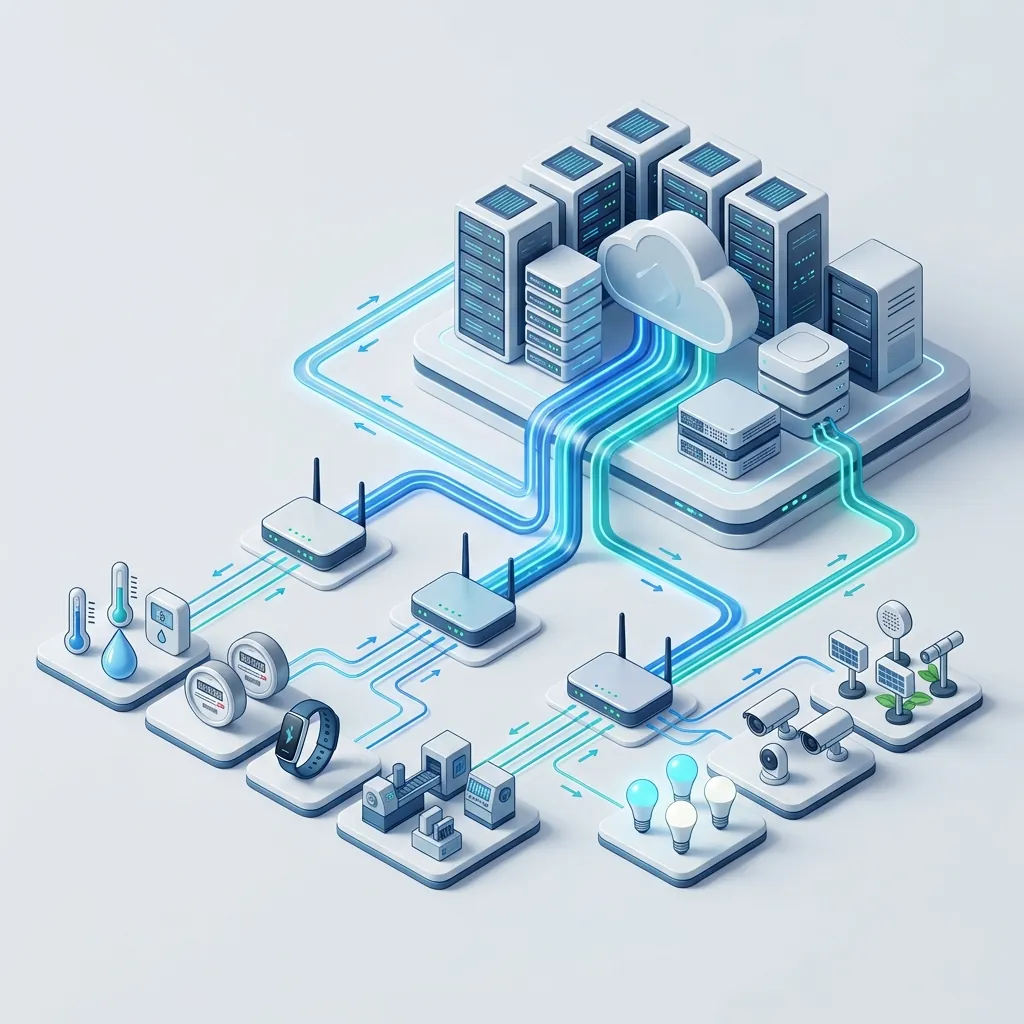
IoT spans hardware, firmware, connectivity, cloud backend, and frontend dashboard — all of which need to work together flawlessly. Be wary of companies that are excellent at one layer but thin on others. Ask specifically: Do they write firmware or only work from reference designs? Do they design their own PCBs or only use off-the-shelf hardware? Do they build the cloud backend or just connect to existing platforms?
Full-stack IoT capability under one roof dramatically reduces integration risk.
3. Ask About Protocol Expertise
The IoT world runs on many protocols — MQTT, CoAP, AMQP, Zigbee, Z-Wave, LoRaWAN, NB-IoT, Bluetooth LE, Thread, Matter. The right choice depends on your device constraints, range requirements, and power budget. A capable partner will ask intelligent questions about your connectivity context before recommending a protocol stack, not just default to whatever they know best.
4. Security Has to Be Built-In, Not Bolted-On
Ask prospective partners to describe their default security practices for IoT projects. The answer should include: device identity management, certificate-based authentication, encrypted communication (TLS/mTLS), secure boot, OTA update architecture, and network segmentation strategy. If security only comes up when you ask, that's a warning sign.
5. Check Their Testing and QA Approach
IoT systems are notoriously difficult to test — you can't realistically simulate 10,000 concurrent devices on a laptop. Ask how they test firmware (do they use hardware-in-the-loop testing?), how they load-test their backend (can they simulate realistic device scale?), and what their process is for testing the entire device-to-cloud stack end-to-end.
6. Understand Their Hardware Vendor Relationships
Experienced IoT companies have established relationships with hardware component suppliers, module manufacturers, and PCB fabricators. This matters for lead times, component availability advice, and negotiating favourable pricing. In the post-2020 component shortage environment, a partner with alternative sourcing strategies is genuinely valuable.
7. Evaluate Long-Term Support Capabilities
IoT products live in the field for years. You need a partner who can support OTA firmware updates, debug production issues remotely, scale the backend as your device fleet grows, and help you add features post-launch. Ask about their current longest-running client relationship and what ongoing support looks like in practice.
"The best IoT development partnership is not a project — it's a long-term relationship. Choose a partner you can grow with, not just one who can ship version 1.0."
8. Look for Industry Domain Knowledge
An IoT partner who has worked in your industry understands the regulatory environment, the specific constraints of your use case, and the common failure modes. An industrial IoT deployment in an oil refinery has very different requirements than a consumer wearable. Domain knowledge accelerates every phase of the project.
9. Assess Their Data and Analytics Capabilities
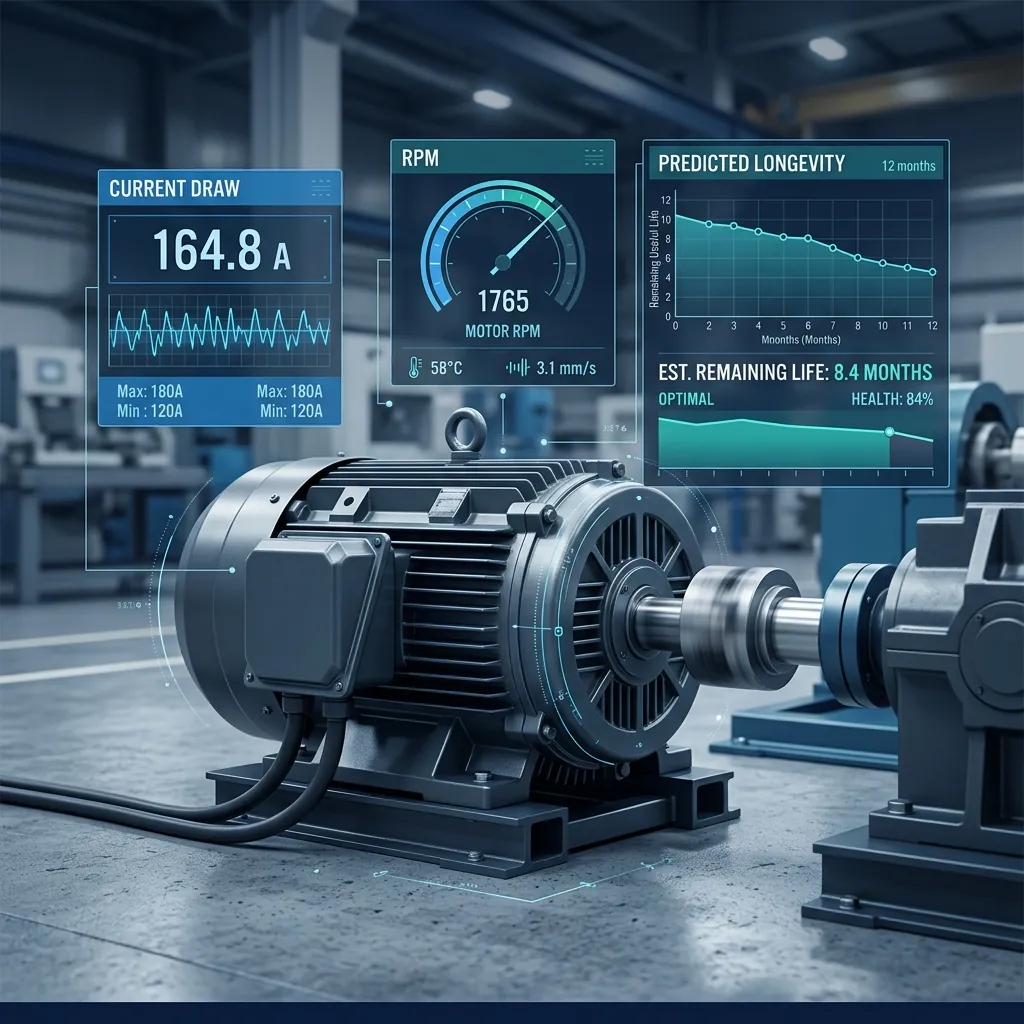
The device is only half of an IoT product. The value increasingly comes from the data it generates — dashboards, alerts, predictive models, operational insights. Ask about their experience with time-series databases (InfluxDB, TimescaleDB, Azure Time Series Insights), stream processing (Apache Kafka, Flink), and ML model deployment at the edge.
10. Prioritize Communication and Transparency
Complex technical projects go sideways sometimes. What matters is not that problems never occur, but that they're surfaced quickly and solved collaboratively. Look for a partner that proactively flags risks, communicates clearly in non-technical terms, and treats you as a collaborator rather than a customer to be managed.
Red Flags to Watch For
- Reluctance to provide references or detailed case studies
- No mention of security until you specifically ask
- Hardware and firmware subcontracted to unknown third parties
- Promises of very short timelines without basis in your specific complexity
- No process for handling post-launch maintenance or production incidents
At AdaptNXT, we've built IoT systems for manufacturing, retail, healthcare, and agricultural use cases. We'd be happy to discuss your project requirements honestly — including whether we're the right fit. Reach out for a no-pressure conversation.