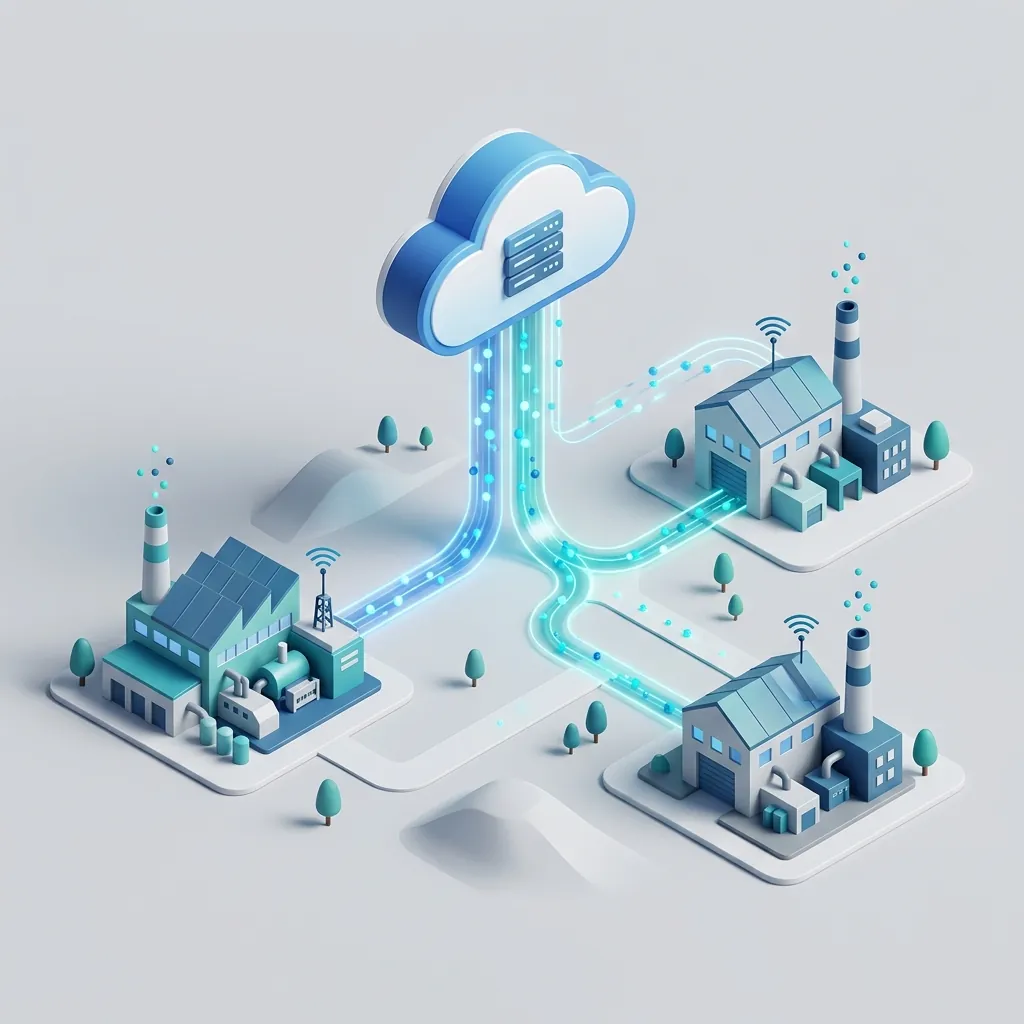

The rapid growth of IoT deployments has created an equally rapid expansion of the attack surface. With billions of connected devices often running on constrained hardware with limited security capabilities, IoT security demands a purpose-built approach.
The IoT Security Challenge
IoT devices differ from traditional IT assets in critical ways: they're resource-constrained, physically exposed, deployed in large numbers, and expected to operate for years without replacement. These characteristics make standard enterprise security tools insufficient.
Device-Level Security
- Secure Boot — Ensure devices only run authenticated firmware
- Hardware Root of Trust — Use Trusted Platform Modules (TPM) or secure enclaves for key storage
- Minimal Attack Surface — Disable unnecessary ports, services, and protocols
- Unique Credentials — Every device gets a unique identity; no shared default passwords
Network Security
Network segmentation is essential. IoT devices should operate on isolated network segments with controlled access to enterprise resources. Zero-trust principles — verify every connection, encrypt every communication — apply strongly in IoT contexts.
Over-the-Air Updates
The ability to securely update device firmware over the air is perhaps the single most important IoT security capability. Vulnerabilities will be discovered; the question is whether you can patch them across your entire fleet quickly and reliably.
"In IoT security, the goal isn't to make devices impenetrable — it's to make them resilient. Assume compromise will happen and design for rapid detection and recovery."
Data Encryption
All data in transit must be encrypted using TLS 1.3 or equivalent. For sensitive applications, data at rest on the device should also be encrypted. Certificate-based mutual authentication ensures both the device and the server verify each other's identity.
Building Security Into IoT Projects
Security must be a first-class concern from day one, not an afterthought. At AdaptNXT, we integrate security into every stage of IoT solution design — from chip selection to cloud architecture — ensuring deployments are protected at every layer.