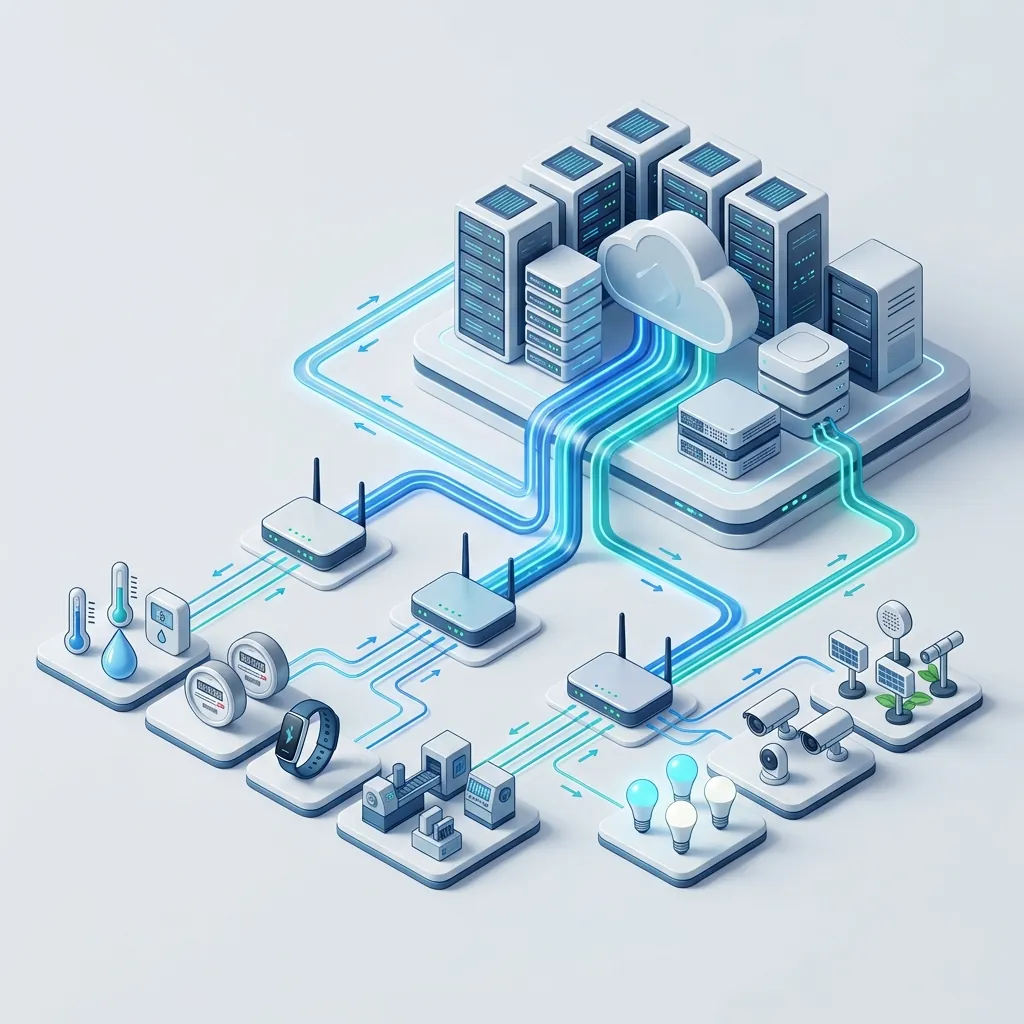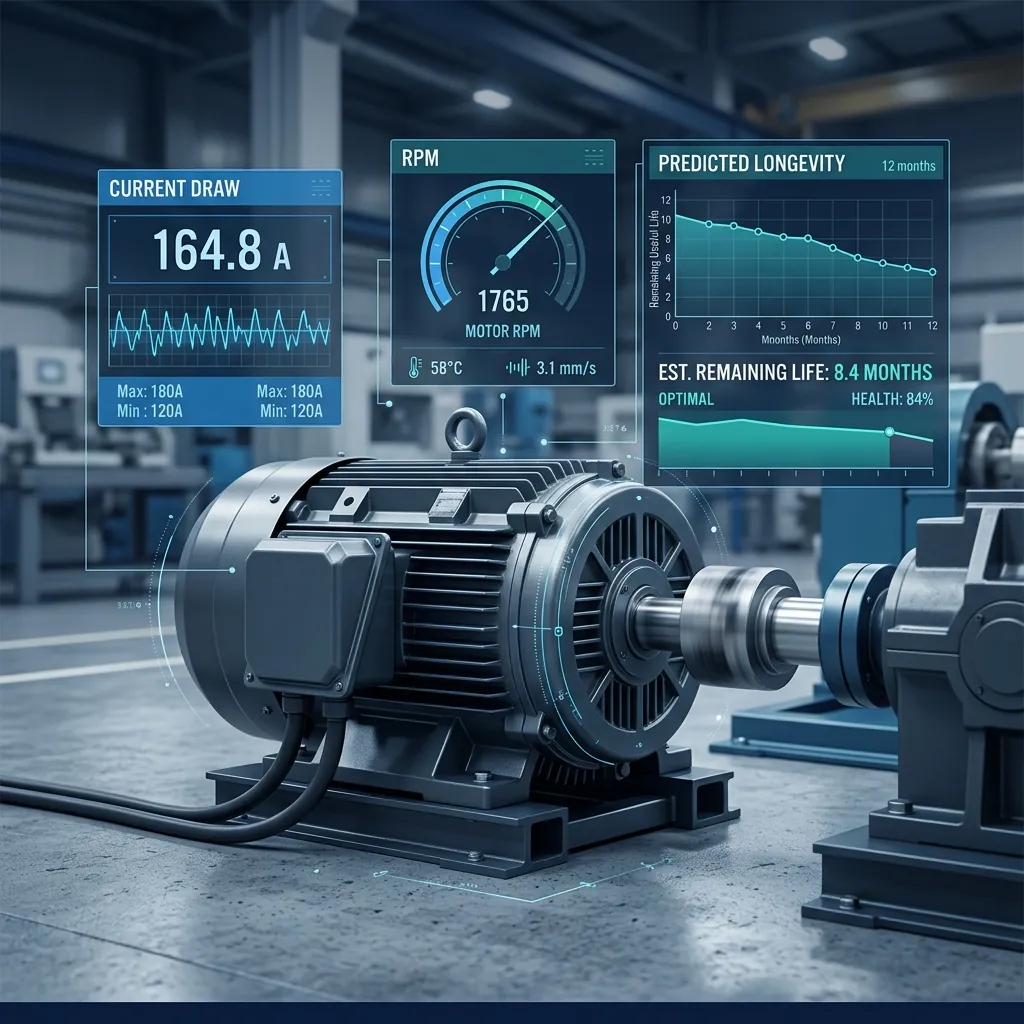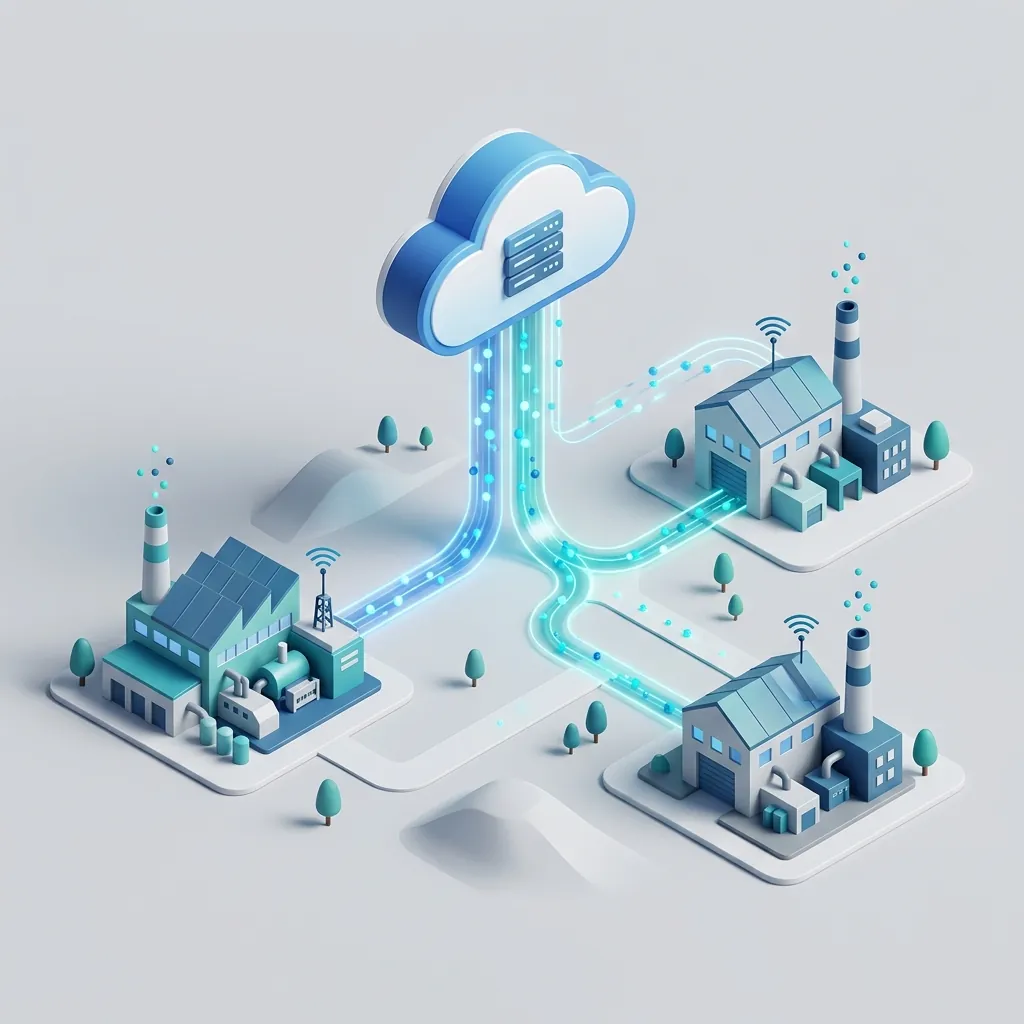
As IoT deployments scale from hundreds to thousands of devices, manual management becomes impossible. Security patches, firmware updates (Over-The-Air or OTA), and health monitoring must be automated through a dedicated device management platform. While proprietary solutions like AWS IoT Core or Azure IoT Hub are popular, open-source tools have become highly competitive, offering greater control and often lower long-term costs.
This article compares the top open-source IoT device management platforms to help you choose the right foundation for your fleet.
1. ThingsBoard: The All-in-One Powerhouse
ThingsBoard is more than just device management; it is a full-featured IoT platform. It provides extensive support for connecting devices via MQTT, HTTP, and CoAP. Its strength lies in its built-in rule engine and dashboards.
- Pros: Excellent visualization, multi-tenancy, highly scalable microservices architecture.
- Cons: Can be resource-heavy; the "Professional" version has many features that the "Community" version lacks.
- Hidden Costs: Higher server compute costs; steep learning curve for the rule engine.
2. Eclipse hawkBit: Dedicated to Rollouts
Unlike general-purpose platforms, hawkBit is laser-focused on one thing: managing software updates (rollouts). It is a back-end solution for rolling out software updates to various types of IoT devices.
- Pros: Robust rollout management (batching, scheduling, retry logic); protocol-neutral.
- Cons: Does not handle data visualization or complex device-to-device communication directly.
- Hidden Costs: Requires integration with other tools (like ThingsBoard or Mainflux) for a complete IoT solution.
- Pros: Extremely fast and low-resource consumption; written in Go; easy to containerize.
- Cons: Community support and feature set are still catching up to the more established Java-based platforms.
- Hidden Costs: Development time may be higher as it requires more custom plumbing for complex visualization.
- Pros: Highly scalable; great support for data analytics and ML workloads; extensive library of SDKs.
- Cons: Configuration can be complex; the documentation has sometimes lagged behind the rapid pace of development.
- Hidden Costs: Higher operational complexity due to the "Big Data" stack requirements (Spark, Cassandra).
3. Mainflux: Modern and Performance-Oriented
Mainflux is a modern, Go-based platform designed with a cloud-native, microservices-centric architecture. It is highly performant and uses a lightweight core.
4. DeviceHive: Deep Data Integration
DeviceHive is designed for high-performance data processing and integrates seamlessly with popular Big Data and ML tools.
Technical Comparison Matrix
| Platform | Data Visualization | OTA Update Focus | Architecture |
|---|---|---|---|
| ThingsBoard | Excellent (Built-in) | Supported | Java / Microservices |
| Eclipse hawkBit | Minimal | Excellent (Primary Focus) | Java / Spring Boot |
| Mainflux | Available (via Plugins) | Supported | Go / Microservices |
Conclusion: The "Best" Depends on Your Fleet
The choice between these platforms depends on whether you need an all-in-one "IoT platform" (ThingsBoard), a dedicated "update manager" (hawkBit), or a high-performance "cloud-native core" (Mainflux). Don't forget that "free" open-source software often has significant "hidden" costs in terms of server maintenance and integration time.
AdaptNXT helps you select, deploy, and maintain the ideal device management platform for your business. Connect with our IoT fleet managers today.