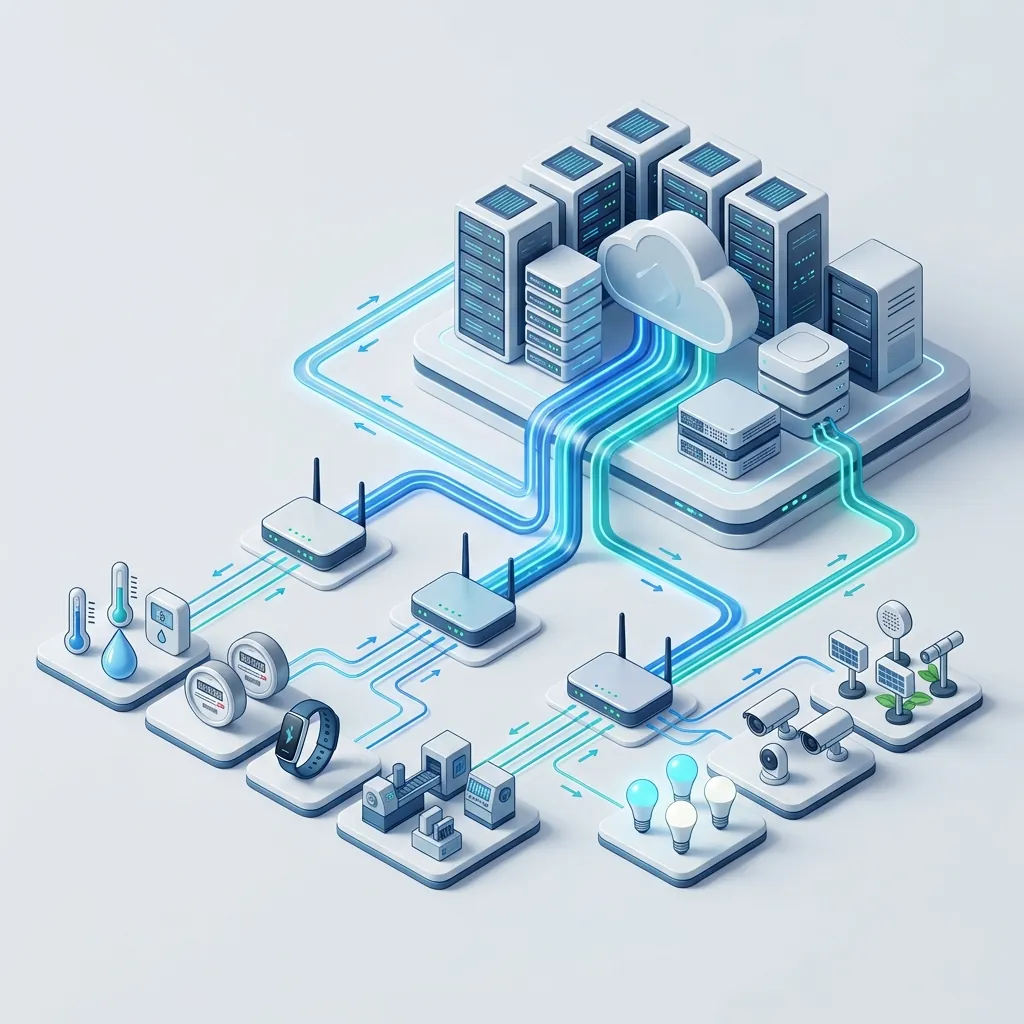

In the vast landscape of the Internet of Things (IoT), data is the fuel, and analytics is the engine. However, the question for architects is not just "how much analytics?" but "where should it happen?" As the number of connected devices grows, the traditional model of sending every byte to the cloud is becoming unsustainable. Today, the choice involves a strategic trade-off between Edge, Fog, and Cloud computing.
This guide breaks down each layer and provides a framework for deciding where to process your IoT data.
1. Edge Computing: The Immediate Response
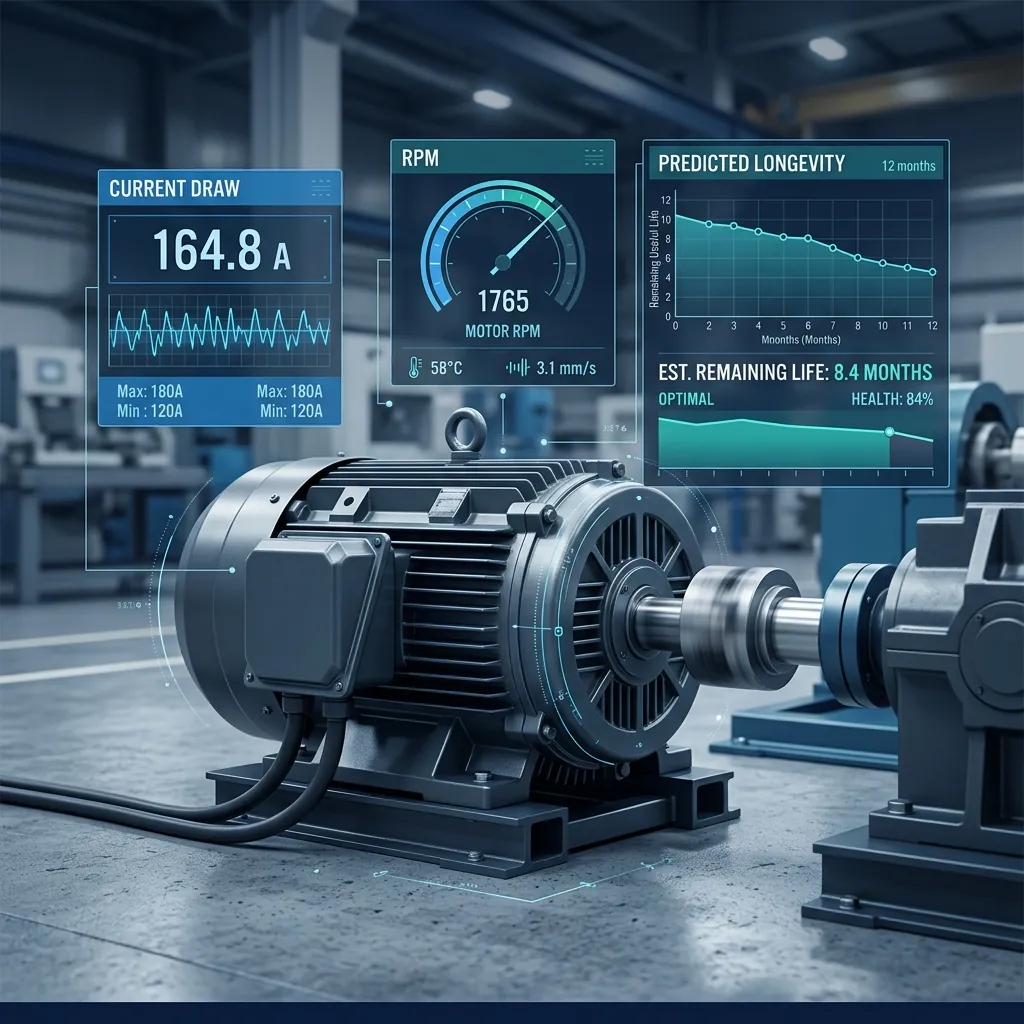
Edge computing happens at the "edge" of the network—on the sensors, actuators, or local gateways themselves. Intelligence is pushed as close to the data source as possible.
- Ideal For: Real-time, ultra-low latency tasks where every millisecond counts—such as stopping a machine before a collision or detecting an anomaly in a high-speed production line.
- Advantage: No latency from network round-trips; reduced bandwidth costs; operates offline.
- Limitation: Limited compute power and storage; difficult to run complex, long-range analytics.
2. Fog Computing: The Local Intelligence Hub
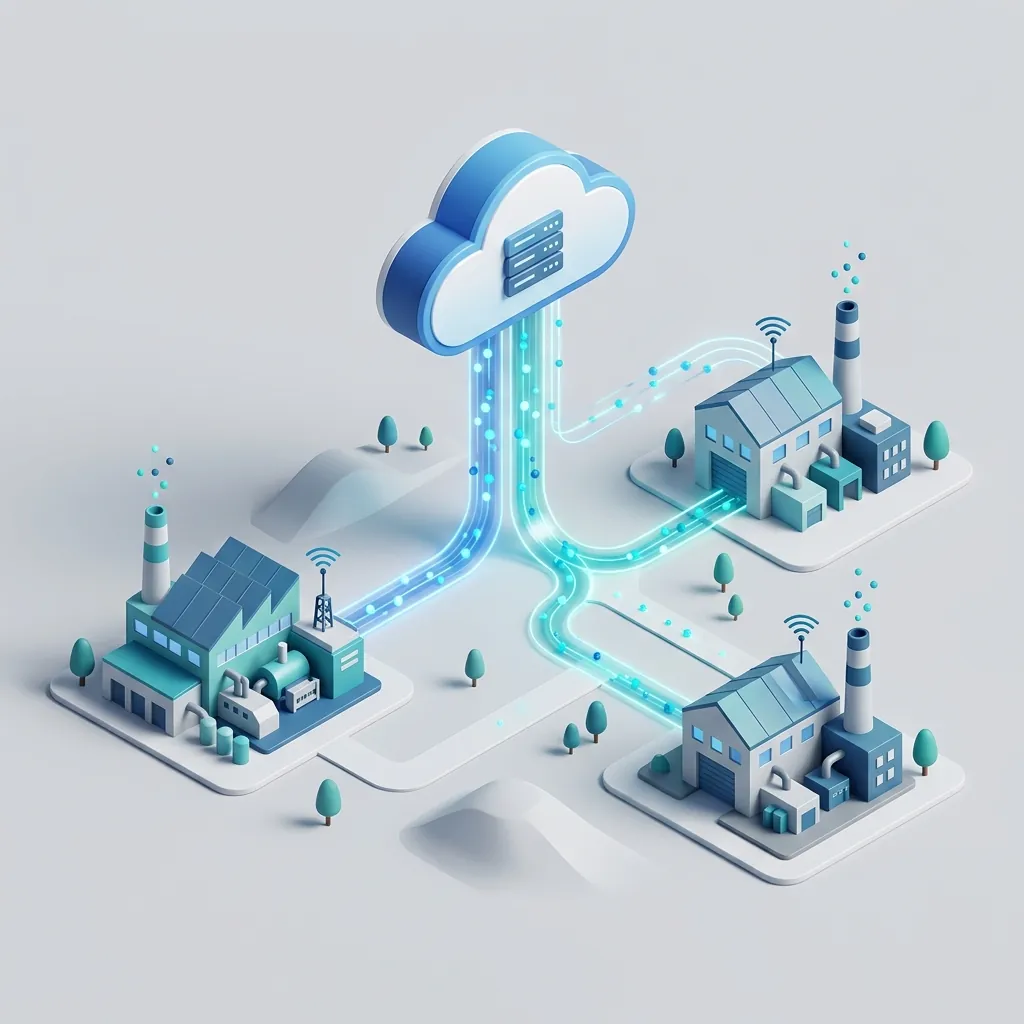
Fog computing sits between the edge and the cloud, typically on local site hubs or edge servers within a factory or building. It provides a "fog" of processing power that is distributed across a local network.
- Ideal For: Aggregating data from multiple edge gateways, performing site-level analysis, and providing local visualization without the need for constant cloud connectivity.
- Advantage: Balances latency and compute power; reduces data volume sent to the cloud by filtering and summarizing locally.
- Limitation: Requires more significant local hardware investment and management compared to the edge.
3. Cloud Computing: The Global Strategic Engine
The Cloud is the centralized hub where massive volumes of data are stored and analyzed over long periods. This is where big data and complex machine learning models live.
- Ideal For: Cross-site benchmarking, long-term trend analysis, complex predictive modeling (like demand forecasting), and centralized fleet management.
- Advantage: Virtually unlimited compute and storage; simplified global access; lower upfront hardware costs (OpEx vs. CapEx).
- Limitation: Higher latency; ongoing bandwidth and storage costs; dependent on high-speed internet connectivity.
Decision-Making Framework
| Constraint | Edge | Fog | Cloud |
|---|---|---|---|
| Latency Requirement | <1ms to 10ms | 10ms to 100ms | 100ms to 1s+ |
| Data Volume | Low (Source Only) | Moderate (Site Level) | Very High (Global) |
| Connectivity Sensitivity | Non-Critical | Low to Moderate | Very Critical |
Conclusion: The Architecture for "Intelligent Autonomy"
The "best" architecture for 2026 is often a combination of all three layers. By processing critical tasks at the edge, aggregating intelligence in the fog, and driving global strategy in the cloud, manufacturers can create systems that are both autonomously intelligent and globally coordinated.
AdaptNXT helps you design and optimize your IoT processing layers for maximum efficiency. Connect with our IoT architects today.