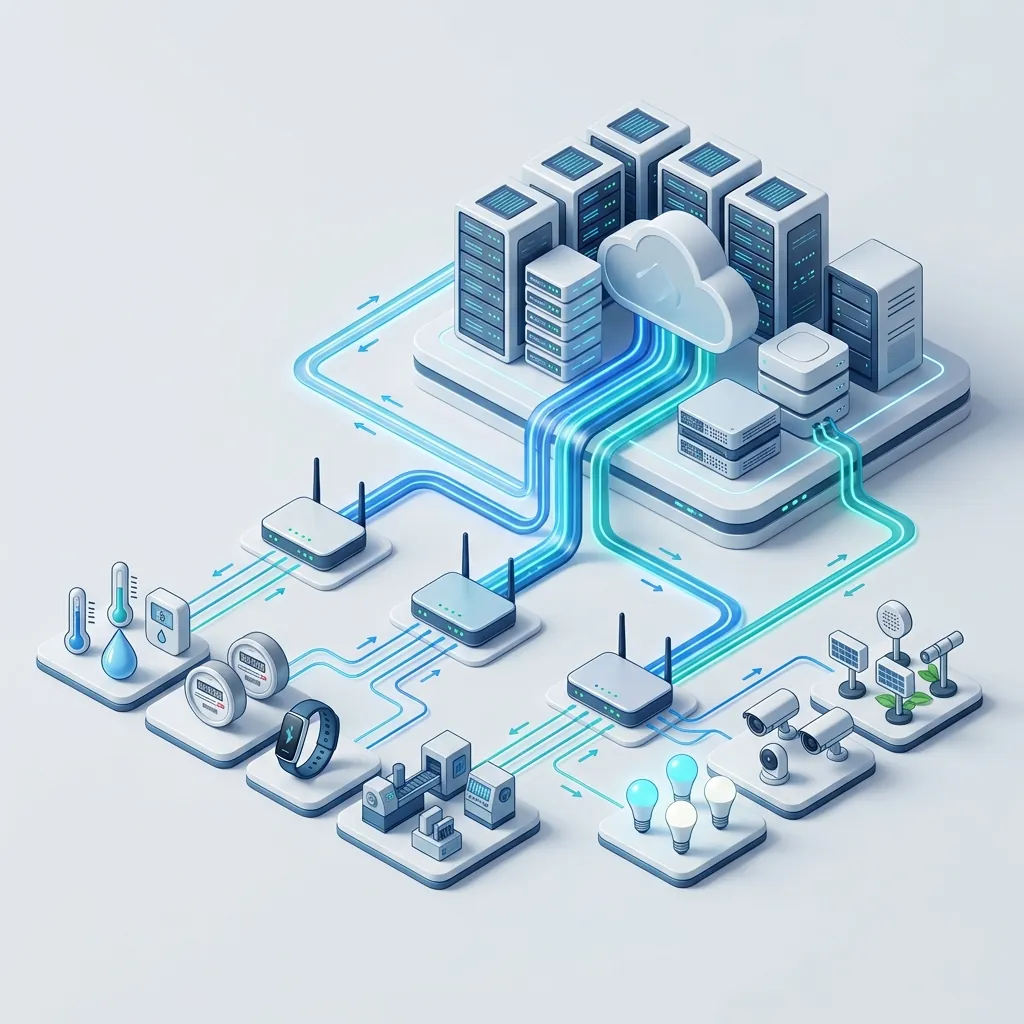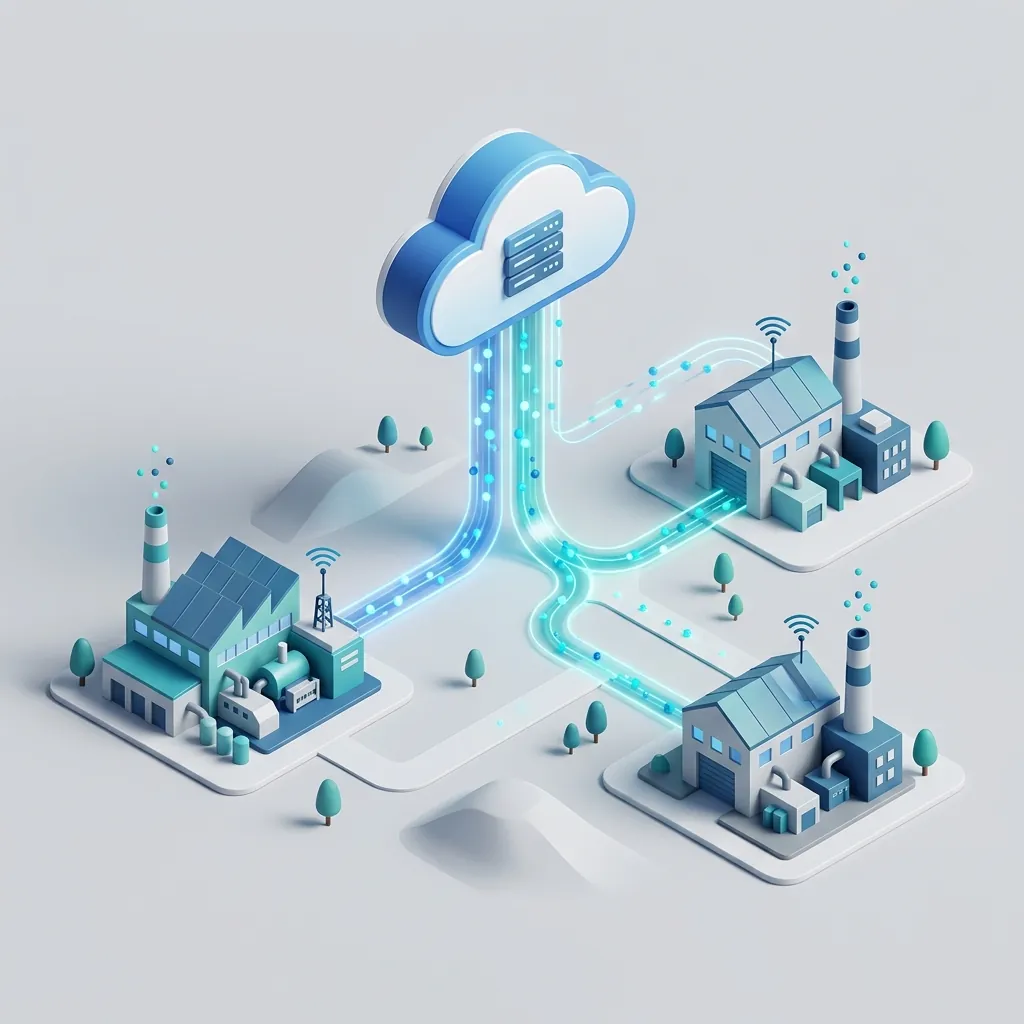

For the past twenty years, the ultimate goal of enterprise IT was centralization: "Move everything to the Cloud." The massive, hyper-scale data centers owned by Amazon, Google, and Microsoft offered infinite storage and cheap computation. However, as the Internet of Things (IoT) matures from passive sensors to active, autonomous robotics, the Cloud has encountered an insurmountable obstacle: the speed of light.
When software enters the physical world, relying on a centralized cloud server hundreds of miles away is no longer a viable architecture. The solution is Edge Computing—decentralizing the cloud and pushing computational power directly to the "edge" of the network, right where the data is being generated.
The Latency Crisis: Why the Cloud Fails
Consider a modern autonomous vehicle driving at 65 mph. The car's LiDAR and optical cameras generate gigabytes of data every second. Suddenly, a pedestrian steps into the road.
If the car relies strictly on Cloud Computing, the architecture dictates that the car must transmit the video feed over a 5G network to an AWS server in Virginia. The server processes the image, runs the object-detection AI, recognizes the pedestrian, and sends the "apply brakes" command back to the car. Even in optimal conditions, this round trip might take 150 milliseconds. At 65 mph, the car will travel 14 feet in those 150 milliseconds. The pedestrian is hit.
The Cloud is excellent for asynchronous tasks like training AI models or analyzing financial trends. It is fundamentally unsafe for real-time, mission-critical physical operations.
How Edge Computing Solves the Problem
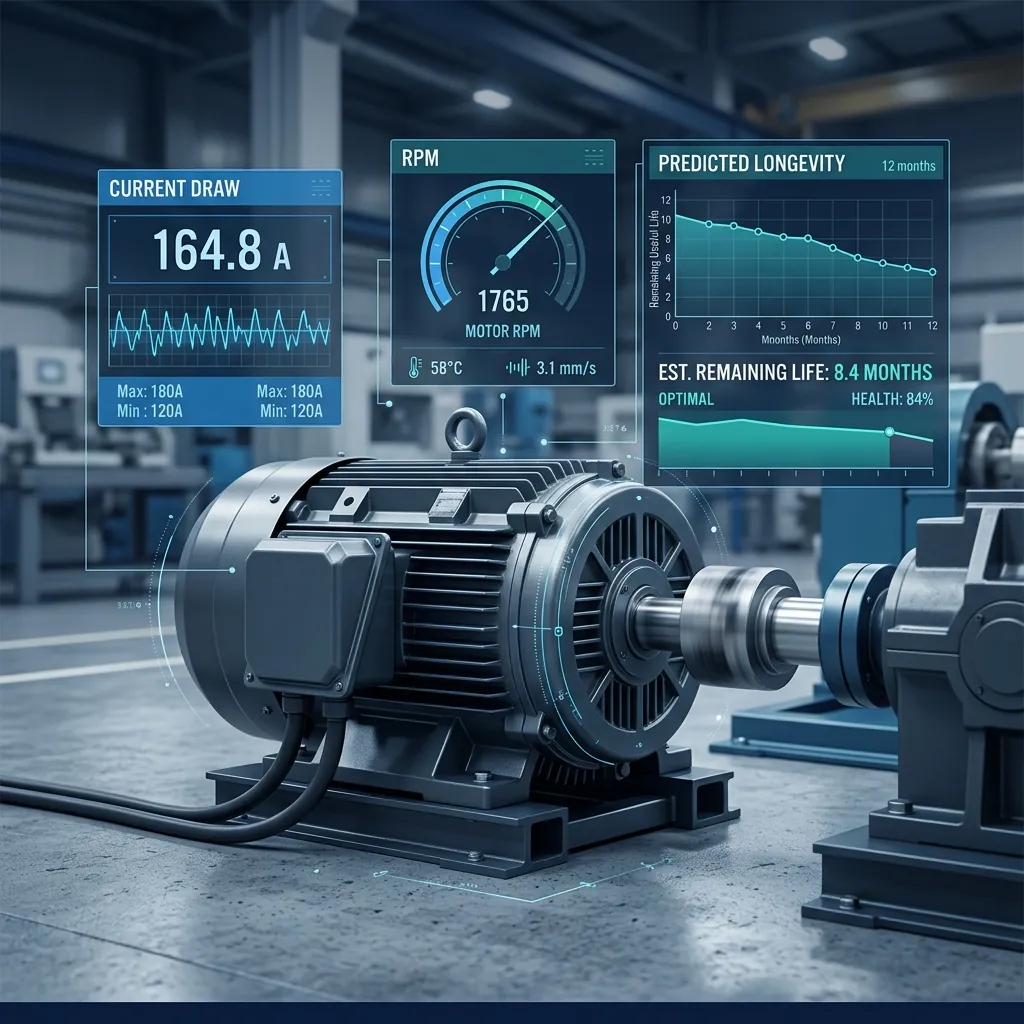
Edge Computing solves the latency crisis by eliminating the geographical distance. Instead of sending raw data to the cloud, the "brain" is installed directly inside the car, the factory, or the oil rig.
In the autonomous vehicle example, the AI model is compressed and deployed onto an Edge Inference Chip (like an NVIDIA Drive Orin) located physically inside the dashboard. When the pedestrian steps out, the video never leaves the car. The local chip processes the image and applies the brakes in 15 milliseconds. No internet connection is required.
The Triumvirate of Edge Benefits
Beyond life-saving latency reduction, Edge Computing solves three other major IoT chokepoints:
1. Bandwidth Congestion and Cost
An offshore wind farm might have 1,000 sensors generating data 100 times a second. Uploading all that raw, mundane data via satellite internet incurs astronomical data charges. An Edge Server installed at the base of the turbine analyzes the data locally, discards the "normal" readings, and only uses the satellite connection to upload highly compressed anomaly reports to headquarters.
2. Absolute Air-Gapped Security
In healthcare, sending real-time patient monitor data or surgical robotics video to a public cloud introduces massive HIPAA compliance risks. Edge Computing allows hospitals to process highly sensitive biometric data entirely on local, isolated hospital servers. The data stays inside the room, completely immune to external internet interception.
3. Offline Resilience
If a factory relies on cloud-based AI to inspect products on the assembly line, a single severed fiber-optic cable in the neighborhood brings the entire multi-million-dollar production line to a halt. Edge AI systems run entirely offline, ensuring factory floors and agricultural drones remain operational regardless of global connectivity issues.
The future of IoT is a hybrid architecture: use the Cloud for heavy, historical data and model training, but use the Edge for real-time inference and execution. Partner with the hardware architects at AdaptNXT to design the optimal edge infrastructure for your physical assets.