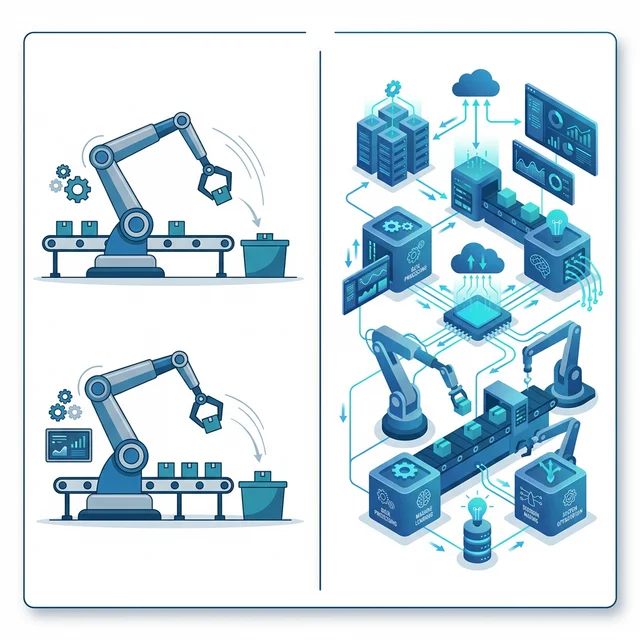

Digital transformation has become one of those phrases that means everything and nothing at the same time. Executives announce it in all-hands meetings, consultants charge six figures to define it, and employees watch the jargon wash over them with quiet skepticism. But behind all the buzz is a genuinely simple idea: replacing slow, manual, error-prone ways of working with faster, automated, data-driven alternatives.
For most businesses, the highest-leverage entry point into meaningful digital transformation is process automation. Here's a practical, five-step approach that works for companies of every size — from 20-person startups to 2,000-person enterprises.
Step 1: Map Your Processes Before You Touch Them
The most common mistake in digital transformation is automating a broken process. Speeding up a flawed workflow just produces flawed results faster. Before you touch any technology, spend time mapping exactly how your critical processes actually work — not how they're supposed to work on paper, but how they work in practice.
Walk through the process with the people who execute it daily. Where do they get stuck? Where do they rely on email to fill gaps in the system? Where do they have to re-enter data from one system into another? These pain points are your highest-value automation opportunities. Process mapping tools like Lucidchart, Miro, or even physical sticky notes on a wall work well for this exercise.
Step 2: Rank Opportunities by Impact and Effort
Once you've mapped your processes, you'll likely have more automation opportunities than you can tackle at once. Prioritise them across two dimensions: business impact (time saved, error reduction, revenue effect) and implementation effort (technical complexity, disruption to operations, change management required).
High-impact, low-effort wins make ideal starting points — they generate quick ROI, build organisational confidence in automation, and create momentum for larger initiatives. Common examples:
- Automated order confirmation and status emails to customers
- Automatic invoice generation from sales data
- Scheduled data sync between disconnected systems
- Automated report generation and distribution
- Triggered notifications for inventory thresholds or SLA breaches
Step 3: Choose the Right Automation Approach for Each Process
Not all automation is created equal. The right tool depends on the nature of the process:
Robotic Process Automation (RPA)
RPA software robots mimic human interactions with software — clicking, typing, reading screens. They're ideal for automating repetitive tasks in legacy systems that lack APIs. RPA doesn't require system integration; the robot just does what a human would do, only faster and without errors. Tools: UiPath, Automation Anywhere, Blue Prism.
Workflow Automation Platforms
For processes that span multiple systems and involve approvals, routing, and notifications, dedicated workflow platforms like Zapier, Make (formerly Integromat), or enterprise platforms like Microsoft Power Automate and ServiceNow connect applications and automate sequences across them.
Custom API Integration
When you need reliability, performance, and flexibility beyond what RPA or no-code tools offer, custom integration through APIs is the answer. Building direct integrations between your CRM, ERP, e-commerce platform, and logistics systems creates a robust, maintainable automation backbone.
Step 4: Pilot, Measure, and Refine
Never roll out automation across your entire organization at once. Pilot with a small team or single business unit first. Define clear success metrics before you start: reduction in processing time, error rate reduction, headcount redeployment, cost savings. Measure these rigorously during and after the pilot.
Automation often exposes edge cases and exceptions you didn't anticipate during design. A pilot environment is the safe place to discover and address these before they affect your entire operation.
"Automation doesn't replace human judgment — it frees humans to apply their judgment where it actually matters. The goal is augmentation, not elimination."
Step 5: Build the Culture for Continuous Automation
The biggest barrier to digital transformation isn't technology — it's people. Employees who fear that automation will cost them their jobs are unlikely to surface the automation opportunities they see every day. Leaders who communicate clearly that automation leads to role evolution rather than elimination create the psychological safety needed for a continuous improvement culture to take hold.
Establish an internal automation champion programme. Identify individuals across departments who are excited about process improvement and give them the tools, training, and authority to pursue automation initiatives in their areas. The most successful digital transformations are driven from the inside out, not imposed top-down.
What Digital Transformation Actually Delivers
Organisations that systematically automate their processes see consistent, measurable outcomes:
- 40–60% reduction in process cycle times
- 60–80% reduction in manual data entry errors
- Significant cost savings from headcount redeployment to higher-value activities
- Improved customer experience through faster, more consistent service delivery
- Better decision-making through real-time data rather than stale reports
Digital transformation is a journey, not a destination. Every process you automate creates bandwidth to tackle the next one. The organizations that start now — even with small, focused initiatives — will have a compounding advantage over those still waiting for the "right time." Talk to our team about where automation can have the biggest impact in your business.